
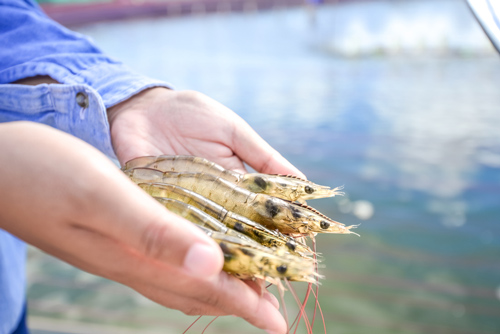


Seaweed, particularly extracts from brown, green, and red algae, is increasingly gaining attention and being widely applied in aquaculture. With its rich nutritional composition and natural immune-boosting properties, seaweed has proven effective in improving growth performance, enhancing disease resistance, and stabilizing the farming environment.
Seaweed – A Natural Nutritional Source for Aquatic Animals
Seaweed contains high levels of protein, essential amino acids, vitamins (A, B, C, E), minerals, and unsaturated fatty acids (such as DHA and EPA). When included in the diet, seaweed extracts can help aquatic animals:
– Increase growth rate and improve feed conversion ratio (FCR).
– Enhance coloration, sheen, and meat quality.
– Improve digestion and nutrient absorption.
Several studies have shown that using Sargassum extract or Ulva meal at levels of 2–4% in the diet can significantly improve growth, strengthen the immune system, and increase survival rates in whiteleg shrimp (Litopenaeus vannamei) compared to control groups.
Enhancing Immunity and Preventing Diseases

Bioactive polysaccharides found in seaweed, such as fucoidan, laminarin, and carrageenan, have the ability to stimulate the natural immune system of aquatic animals:
– Enhance immune enzyme activities such as lysozyme and phenoloxidase.
– Reduce infection rates caused by Vibrio bacteria and White Spot Syndrome Virus (WSSV).
– Increase stress tolerance during environmental changes.
– Black tiger shrimp (Penaeus monodon) and whiteleg shrimp (Litopenaeus vannamei) supplemented with extracts from Padina, Gracilaria, or Sargassum showed significant improvements in disease resistance, especially during periods of adverse weather conditions.
Improving the Aquaculture Environment
In addition to serving as a dietary supplement, seaweed plays an important role in stabilizing the culture environment:
– Absorbs excess nutrients (NH₃, NO₂⁻, PO₄³⁻)
– Limits the growth of harmful bacteria through biological competition.
– Generates oxygen and stabilizes pH levels through photosynthesis.
In recirculating aquaculture systems (RAS) or integrated multi-trophic aquaculture (IMTA) models, seaweed contributes to natural wastewater treatment, reduces pollution, and supports the development of “green – clean – sustainable” farming systems.

Practical Applications in Shrimp and Fish Farming
In Vietnam, several farms in provinces such as Sóc Trăng, Bạc Liêu, and Ninh Thuận have experimented with and applied seaweed-based products in aquaculture:
– Mixing seaweed powder into shrimp feed during the post-larval stage shortened the grow-out period by 10–15 days.
– Using fucoidan extract from brown seaweed helped reduce shrimp mortality caused by environmental stress during pond transfer.
– Farming tilapia and pangasius in ponds integrated with Ulva seaweed improved survival rates and reduced toxic gas levels.
A Sustainable Path for the Aquaculture Industry
In the context of the aquaculture sector facing challenges related to environmental issues, diseases, and production costs, the application of seaweed offers not only technical benefits but also aligns with the trends of organic, circular, and sustainable agriculture development.
Seaweed is a valuable natural resource with great potential for application in aquaculture. Efficient extraction and utilization of bioactive compounds from seaweed can help increase productivity, reduce disease treatment costs, and contribute to the sustainable and environmentally friendly development of the aquaculture industry.


Seaweed Extract
Seaweed Feed Grade (Liquid)


SPIRULINA Seaweed


