
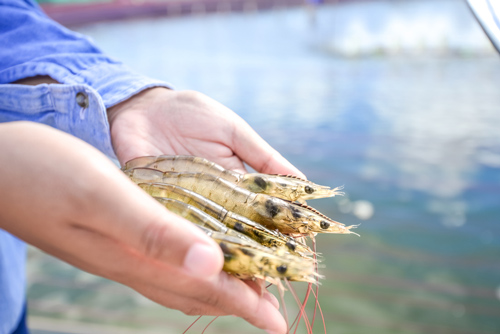

Blue-green algae (Cyanobacteria), also known as cyanophytes or blue algae, are one of the most dangerous agents causing a range of serious health issues in farmed shrimp — especially liver and intestinal diseases

Cyanobacteria
Cyanobacteria not only compete for nutrients with beneficial algae species, but also release toxins that directly affect the shrimp’s immune system and hepatopancreas function. When their density increases — especially during hot, sunny days — they significantly reduce dissolved oxygen levels in the water, secrete mucus-like substances that clog shrimp gills, and create favorable conditions for harmful bacteria such as Vibrio to thrive. Many farmers report that after blue-green algae appear in the pond, their shrimp show signs of reduced appetite, surfacing behavior, white feces, and rapid deterioration in health.

Cyanobacteria bloom in shrimp pond
One of the most severe consequences of shrimp consuming blue-green algae is damage to the hepatopancreas, leading to liver atrophy and empty gut syndrome — conditions considered the “gateway” to various other diseases such as liver necrosis, EMS (Early Mortality Syndrome), and secondary bacterial infections. According to experts, toxins such as microcystin and saxitoxin released by blue-green algae can damage liver cells, impair nutrient absorption, slow down growth, and significantly reduce shrimp survival rates.

Diseased shrimp
Given this threat, timely control and management of blue-green algae has become a critical factor in successful shrimp farming. Experts recommend that, right from the pond preparation stage, farmers must thoroughly eliminate residual algae and organic matter at the pond bottom — key conditions that promote cyanobacteria growth.During the culture period, it’s essential to tightly manage feeding rates, regularly siphon pond bottoms, and maintain stable water quality parameters — especially pH and dissolved oxygen levels.

Pond preparation
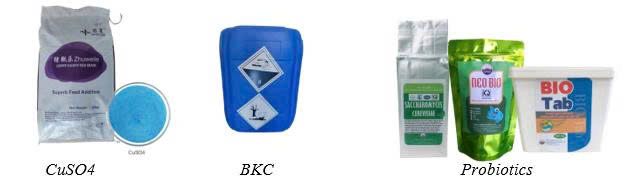
When blue-green algae (cyanobacteria) bloom at high densities, farmers can apply treatment measures such as broadcasting quicklime in the late afternoon on sunny days, combined with dolomite to maintain the buffering system and stabilize pH levels. In some cases, BKC (Benzalkonium Chloride) or copper sulfate may be used at appropriate dosages; however, special attention should be paid to shrimp health during this period.
After treatment, adding probiotics to decompose dead algae and stabilize the pond’s bottom microflora is essential, in order to prevent the generation of toxic gases such as ammonia (NH₃) or hydrogen sulfide (H₂S) – both of which are indirect causes of hepatopancreatic diseases in shrimp.Farmers may refer to several products from Truong Hai Tien Company as follows:
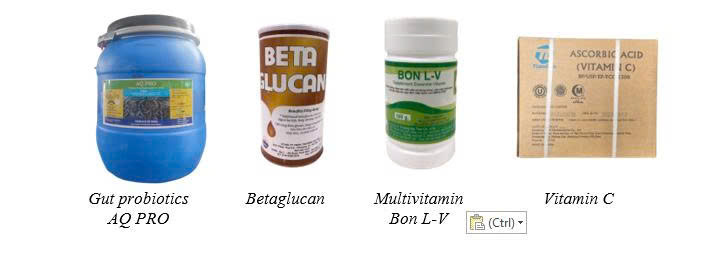
At the same time, enhancing the shrimp’s immune system should also be a priority. Using high-quality feed, supplemented with digestive enzymes, vitamin C, and immune-boosting additives helps shrimp better resist environmental pathogens. Truong Hai Tien Company offers a variety of immune-enhancing and digestion-supporting supplement products, such as:
In practice, observations from key farming areas show that shrimp ponds with effective early-stage control of blue-green algae (cyanobacteria) tend to have significantly higher survival rates compared to ponds where this factor is overlooked. This highlights that, for a successful farming season, farmers must not only focus on seed quality and nutrition, but also place special emphasis on water quality management—among which, controlling blue-green algae is one of the top priorities.


